
Badimalika Trek: A Complete Travel Guide(2026) to Far West Nepal’s Sacred Hidden Paradise

Table of Contents
Introduction to the Badimalika Trek
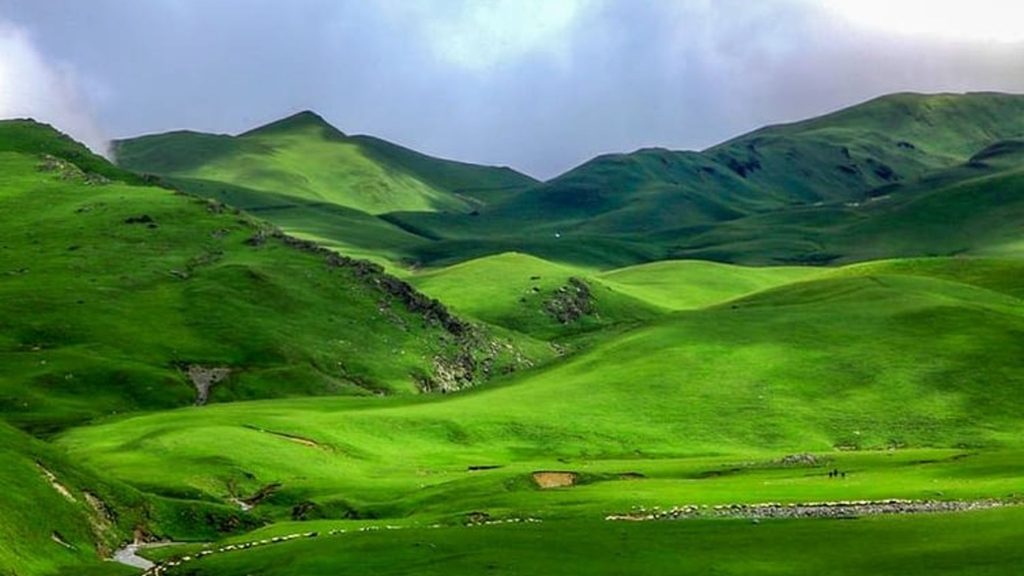
The Badimalika Trek is one of the most beautiful, remote and culturally significant trekking experiences in Far West Nepal. Located in Bajura District of Sudurpashchim Province, Badimalika combines breathtaking Himalayan landscapes, vast green meadows, colorful wildflowers and deep religious traditions.
Unlike Nepal’s famous trekking destinations such as Everest Base Camp and Annapurna, the Badimalika region remains relatively untouched by mass tourism. This is one of the main reasons why the journey is so special. Visitors can experience a quieter and more authentic side of Nepal while walking through forests, traditional settlements and high-altitude grasslands.
Badimalika is especially famous for the Badimalika Temple, an important Hindu pilgrimage site dedicated to the goddess Bhagwati or Kali. The destination is associated with the tradition of the Shakti Peeths and attracts many pilgrims, particularly during the annual religious festival around Janai Purnima.
For travelers who love adventure, culture and unexplored destinations, the Badimalika Trek offers something very different from Nepal’s crowded trekking trails.
Where Is Badimalika Located?
Badimalika is located in Bajura District, in Nepal’s Sudurpashchim Province, commonly known as Far West Nepal.
The region is characterized by remote hills, deep valleys, forests and high alpine landscapes. The trek generally involves traveling toward the Bajura region and then continuing on foot through increasingly remote terrain.
The Nepal Tourism Board describes Badimalika as a hidden destination known for its natural beauty, colorful flowers and rolling green hills.
Because the destination is remote, reaching Badimalika is an adventure in itself. Road conditions, weather and transportation availability can affect travel schedules, so visitors should keep their itinerary flexible.
Why Visit Badimalika?
There are many reasons why the Badimalika Trek deserves more attention from travelers exploring Nepal.
1. Spectacular Alpine Meadows
One of the biggest highlights of Badimalika is its beautiful high-altitude grassland.
The open green landscapes are often described as vast natural carpets stretching across the hills. During favorable seasons, wildflowers add color to the landscape, making the region particularly attractive for photographers and nature lovers.
The combination of rolling hills, clouds, mountain हवा and wide open landscapes creates a peaceful atmosphere that is very different from Nepal’s busy cities.
2. A Sacred Hindu Pilgrimage Destination
Badimalika is not only a trekking destination. It is also an important religious site.
The Badimalika Temple is associated with the Hindu goddess Bhagwati/Kali and is regarded in local tradition as a significant Shakti Peeth. According to religious belief connected with the story of Sati and Shiva, a part of Sati Devi’s body fell in this region.
Every year, pilgrims travel through difficult mountain trails to reach the temple and offer prayers.
This spiritual importance gives the Badimalika Trek a unique character. Travelers are not simply walking through beautiful landscapes—they are also following a route that has deep cultural and religious meaning.
3. A Less Crowded Trekking Experience
One of the greatest attractions of the Badimalika Trek is its remoteness.
Popular trekking routes in Nepal can become busy during peak seasons. Badimalika, however, still receives far fewer international trekkers than destinations such as Everest and Annapurna.
This means visitors can enjoy:
- Quiet mountain trails
- Peaceful natural surroundings
- Authentic local culture
- Less commercial tourism
- Remote Himalayan landscapes
For people looking for an off-the-beaten-path trekking experience in Nepal, Badimalika is an excellent choice.
Badimalika Trek Altitude
Badimalika is a high-altitude destination, with commonly published elevations varying depending on the exact location being measured. Recent trekking sources commonly place the temple and surrounding high point at approximately 4,200 metres, while some official tourism information lists a lower temple elevation.
Because of the altitude, trekkers should take the journey seriously.
Higher elevations can bring:
- Cold temperatures
- Strong winds
- Rapid weather changes
- Physical fatigue
- Altitude-related discomfort
A gradual trekking pace, sufficient hydration and proper preparation are important.
How to Reach Badimalika
The journey to Badimalika can vary depending on your starting location and the route you choose.
Starting From Dhangadhi
For travelers exploring Far West Nepal, Dhangadhi can be an important gateway to the region.
From Dhangadhi, travelers generally continue by road toward the Bajura area. The journey can be long, and road conditions may vary depending on weather and season.
Government and tourism references identify Martadi, the district headquarters of Bajura, as an important access point, with some traditional routes requiring approximately three days of walking to reach Badimalika.
Alternative Route Through Kolti
Some modern trekking itineraries use transportation toward Kolti and nearby trailheads before beginning the main trekking section.
Depending on the exact itinerary, travelers may combine:
- Domestic air travel or long-distance road transport
- Jeep transportation
- Local road travel
- Multi-day trekking
Because infrastructure and transport conditions can change, it is recommended to confirm the latest local transportation arrangements before beginning the journey.
A Typical Badimalika Trek Itinerary
The exact Badimalika Trek itinerary varies depending on the route, transportation and walking speed.
Many travel operators describe the overall experience as approximately 9 to 14 days, including travel and trekking days.
Here is an example of a flexible itinerary:
Day 1: Travel Toward Far West Nepal
Begin your journey from Kathmandu or another major city and travel toward the Sudurpashchim region.
Depending on your plan, you may travel through Dhangadhi, Surkhet or another gateway.
Day 2: Continue Toward Bajura
Travel by road toward the Bajura region.
This can be a long and scenic journey through hills and remote settlements.
Day 3: Reach the Trek Starting Area
Complete transportation arrangements and prepare for trekking.
Check your equipment, food supplies and weather conditions before entering more remote areas.
Day 4: Trek Through Villages and Forests
The trek begins through local settlements, forests and gradually rising mountain trails.
This is a good opportunity to experience the lifestyle and culture of Far West Nepal.
Day 5: Reach Higher Pastures
As the altitude increases, forests begin to open into wider grasslands and mountain landscapes.
The scenery becomes increasingly dramatic.
Day 6: Trek Toward the Sacred Badimalika Area
Continue through high-altitude terrain toward the Badimalika region.
Weather conditions can change quickly at this altitude.
Day 7: Explore Badimalika
Spend time exploring the sacred temple area and surrounding alpine landscapes.
On clear days, the surrounding mountain scenery is one of the major rewards of the journey. Trekking sources commonly mention views toward the Api and Saipal ranges from the higher terrain.
Day 8 onwards: Return Journey
Return through the trekking route or an alternative route depending on your travel plan.
Always allow extra days for weather or transportation delays.
Best Time to Visit Badimalika
Choosing the right season is very important for the Badimalika Trek.
Spring: April to June
Spring is one of the most beautiful times to visit.
During this period, visitors may experience:
- Green hills
- Wildflowers
- Pleasant trekking conditions
- Clearer mountain views
The Nepal Tourism Board highlights Badimalika’s colorful flowers and natural beauty, which make the warmer months especially attractive.
Autumn: September to November
Autumn is another excellent season.
The weather is generally more stable after the monsoon, and visibility can be good for mountain photography.
This season is suitable for travelers who prefer clearer skies and more comfortable trekking conditions.
Janai Purnima Pilgrimage Season
Badimalika becomes especially important during the annual pilgrimage period around Janai Purnima.
Large numbers of devotees travel to the sacred site during this festival.
This is an excellent time for travelers interested in:
- Hindu culture
- Religious traditions
- Local festivals
- Pilgrimage experiences
However, visitors should be prepared for larger crowds and more demanding logistics during the festival period.
Winter and Monsoon
Winter can bring snow and extremely cold conditions at higher elevations, while the monsoon can bring heavy rain and difficult trail conditions.
Official tourism information notes that Badimalika experiences heavy monsoon rainfall and winter snow, so travelers should carefully assess conditions before planning a trek.
Accommodation and Food
The Badimalika Trek is more remote than Nepal’s major commercial trekking routes.
Visitors should not expect the same level of accommodation found on popular routes like Annapurna or Everest.
Depending on the route, accommodation may include:
- Local homestays
- Basic lodges
- Camping
- Tented camps
The Sudurpashchim Tourism Master Plan specifically notes that hotels, lodges and homestays are not consistently available along traditional routes and that visitors may need to arrange camping equipment and logistics.
Food availability can also be limited in remote sections.
Trekkers should plan carefully and may need support from a local guide or trekking team for:
- Meals
- Camping equipment
- Route planning
- Local transportation
- Safety arrangements
What Should You Pack for the Badimalika Trek?
Proper preparation is essential.
Important clothing:
- Warm jacket
- Fleece or thermal layers
- Waterproof jacket
- Trekking pants
- Gloves
- Warm hat
- Extra socks
Trekking equipment:
- Comfortable trekking boots
- Backpack
- Walking poles
- Headlamp
- Water bottle
- Rain protection
Health and safety:
- Personal first-aid supplies
- Sunscreen
- Sunglasses
- Basic medicines recommended by a qualified professional
- Emergency contact information
Because the region is remote, it is important to prepare carefully rather than expecting to buy everything along the trail.
Is Badimalika Trek Difficult?
The Badimalika Trek can generally be considered moderate to strenuous.
The difficulty depends on:
- Your route
- Physical fitness
- Weather
- Altitude
- Trekking experience
- Number of walking days
The high elevation and limited infrastructure make this trek more challenging than many short tourist hikes.
However, travelers with good physical preparation, appropriate equipment and experienced local support can enjoy the journey safely and comfortably.
Should You Hire a Local Guide?
For many visitors, hiring an experienced local guide is a very good idea.
The trails in remote Far West Nepal may not have the same level of signage and infrastructure as Nepal’s most famous trekking destinations.
A knowledgeable guide can help with:
- Navigation
- Local culture
- Transportation arrangements
- Camping logistics
- Weather decisions
- Communication with local communities
General Nepal trekking guidance from the Nepal Tourism Board also emphasizes trekking documentation and permits where applicable, especially for protected and regulated trekking areas.
Before your trip, confirm the latest permit, TIMS and local entry requirements with the Nepal Tourism Board or an authorized local trekking agency, because requirements can change.
Why Badimalika Should Be on Your Far West Nepal Travel List
Badimalika represents something that is becoming increasingly difficult to find in popular tourism destinations: a sense of genuine exploration.
The trek offers much more than mountain views.
You can experience:
🏔️ Remote Himalayan landscapes
🌿 Beautiful alpine meadows
🌸 Seasonal wildflowers
🙏 Ancient Hindu traditions
🥾 Challenging trekking trails
📸 Incredible photography opportunities
🏕️ Remote camping experiences
🏡 Authentic Far West Nepal culture
For travelers who want to explore beyond Nepal’s most famous trekking regions, Badimalika is one of the most exciting destinations in Sudurpashchim Province.
Final Thoughts
The Badimalika Trek is a journey into one of Nepal’s most remote, beautiful and spiritually important landscapes.
From the green highland meadows and dramatic mountain scenery to the sacred Badimalika Temple and the deep traditions of Far West Nepal, every part of the journey offers something memorable.
This is not a luxury trek with hotels at every stop. It is a journey for travelers who appreciate nature, culture, adventure and the beauty of unexplored places.
If you are building a travel bucket list for Far West Nepal, Badimalika deserves a place near the top.
So pack your trekking boots, prepare for a real adventure and discover one of the hidden treasures of Sudurpashchim Nepal.
Badimalika is more than a destination—it is an experience of nature, faith and adventure in the heart of Far West Nepal.
